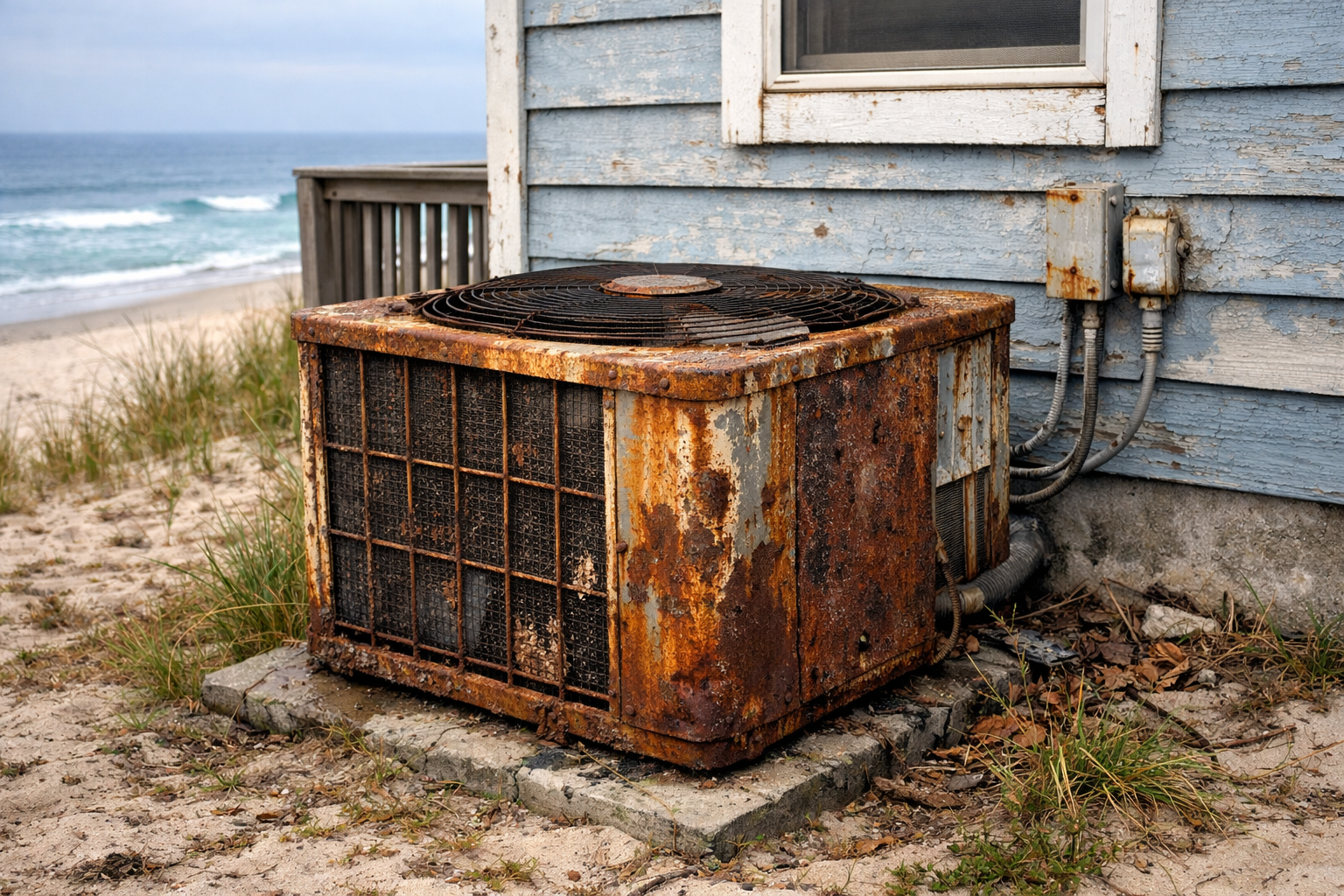


Let’s be honest: HVAC jargon feels like it was designed to make your head spin. Between BTUs, HSPF, and tonnage, it’s easy to tune out. But if there is one acronym you actually need to understand before buying a new AC, it’s SEER.
Think of a SEER rating as the "Miles Per Gallon" (MPG) for your air conditioner. The higher the number, the less energy it sips to keep your living room feeling like a glacier.
What is a SEER Rating?
SEER stands for Seasonal Energy Efficiency Ratio. It measures the cooling output of an air conditioner over a typical cooling season, divided by the total electric energy input during that same period.
In plain English? It’s a measure of how much cooling you get for every dollar you spend on electricity.
SEER vs. SEER2: What Changed?
If you’ve been browsing units lately, you might have seen "SEER2." As of January 1, 2023, the industry moved to a new testing standard.
- SEER: Tested units under perfect conditions (which your attic definitely is not).
- SEER2: Uses a new testing procedure that better accounts for the external pressure (static pressure) of your home's ductwork.
The takeaway: SEER2 is a more "real-world" measurement. If you see a SEER2 rating, it will generally look slightly lower than an old SEER rating (usually by about 4.5%), but the unit is actually just as efficient.
What is a "Good" SEER Rating?
In the past, a 10 SEER unit was standard. Today, the U.S. Department of Energy has much higher expectations.
| Rating | Efficiency Level | Best For... |
| 13 - 14 | Minimum Standard | Budget-conscious builds or mild climates. |
| 15 - 17 | Mid-Range | The "Sweet Spot" for most homeowners. |
| 18 - 20+ | High Efficiency | Hot climates (like the South) and eco-warriors. |
Pro-Tip: Don't just chase the highest number. A 25 SEER unit is impressive, but if you live in a climate where you only run the AC three months a year, it might take 20 years to "break even" on the higher equipment cost.
How SEER Ratings Impact Your Wallet
High-efficiency units have a higher upfront price tag, but they pay you back every month in lower utility bills.
For example, upgrading from an old 10 SEER unit to a modern 16 SEER unit can reduce your cooling costs by roughly 35-40%. Over the 15-year lifespan of an AC, those savings can easily total thousands of dollars.
Is a High SEER Rating Right for You?
When choosing a rating, consider these three factors:
- Your Climate: If you live in a place where 90°F is "a nice breeze," go high. If you’re in the North, a mid-range unit is usually sufficient.
- How Long You’ll Stay: If you plan on moving in two years, you won't recoup the cost of a top-tier system.
- Incentives: Many high-SEER2 systems qualify for federal tax credits or local utility rebates.
Ready to Upgrade?
Understanding SEER is the first step toward a more comfortable, affordable home. If you’re still not sure which rating fits your floor plan, we can help.